
High-Efficiency Filters
High-efficiency filters are designed to ensure a retention capacity of up to 99.999995% of particles at the Most Penetrating Particle Size (MPPS), typically between 0.1 and 0.2 microns. Thanks to their certified performance, these filters are used in highly critical applications. With over 40 years of experience, Lombarda Filtri offers advanced filtration solutions for every requirement.
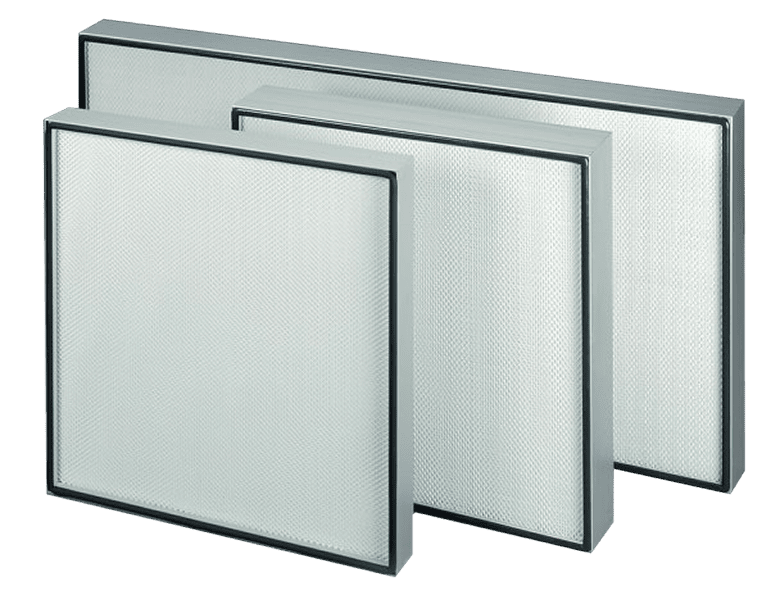
Our High-Efficiency Filters
EPA Filters
EPA (Efficiency Particulate Air) filters capture up to 99.5% of MPPS particles such as fine dust, bacteria, and viruses. They are used in hospitals, laboratories, and advanced ventilation systems.
HEPA and ULPA Filters
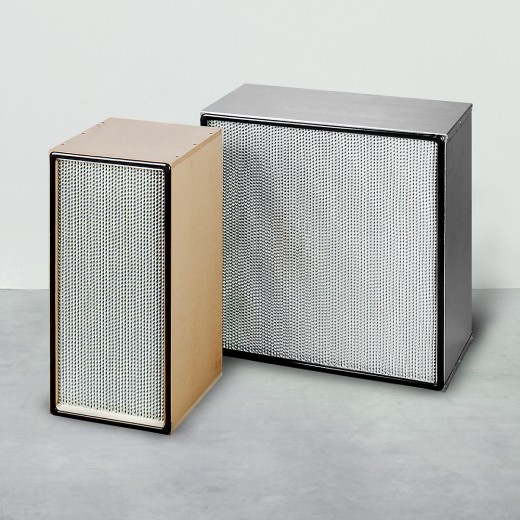
HEPA (High Efficiency Particulate Air) filters ensure up to 99.995% efficiency on MPPS particles. Designed to retain sub-micron dust, bacteria, and viruses, they are used in high-purity environments such as hospitals, laboratories, cleanrooms, and industrial plants.
ULPA (Ultra Low Penetration Air) filters offer even higher performance, retaining up to 99.999995% of particles and meeting extremely stringent air-quality requirements in medical, high-critical industrial, or nuclear applications.
Application Sectors for High-Efficiency Filters
Lombarda Filtri’s high-efficiency filters are the ideal solution to ensure clean air in various sectors:
Hospitals
remove airborne contaminants in wards, laboratories, operating theatres, and intensive-care units, reducing the risk of external contamination.
Museums
protect artworks, documents, and artefacts from atmospheric contamination in confined areas.
Industries
optimise air quality in production processes where the absence of solid contaminants is essential for machinery and product protection (microelectronics, pharmaceuticals).
Technical Features
Lombarda Filtri products combine quality, innovation, and regulatory compliance. Explore the technical specifications of our filters to ensure clean air, safety, and optimal performance in any industrial or civil installation.
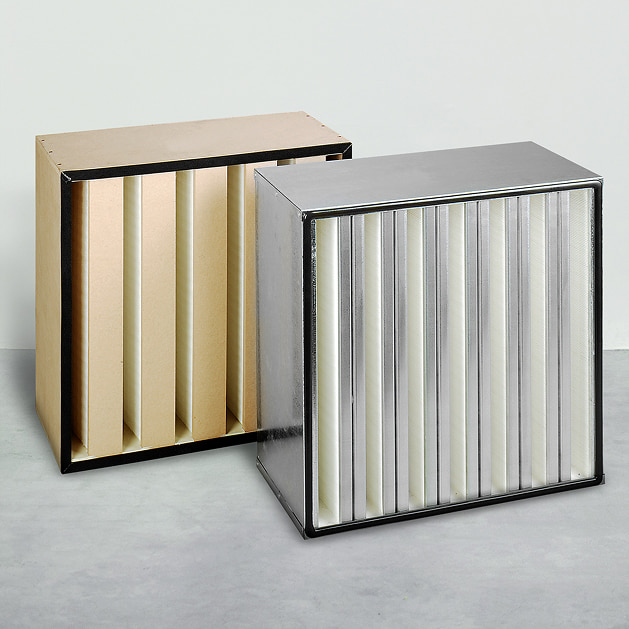
EPA filters are available in efficiency classes E10 to E12 according to EN 1822, forming the link between fine filters for general ventilation (e.g., ePM1 70% pocket filters) and absolute HEPA/ULPA filters. They are typically made with pleated fiberglass media supported by thermoplastic spacers. The frame—ensuring rigidity and sealing—may be made of wood, sheet metal, or aluminium.
Applications
Ideal for hospital wards, laboratories, and industrial environments.
Installation and Maintenance
Installable on front-sealing frames. EPA filters require periodic replacement once the recommended final pressure drop is reached.
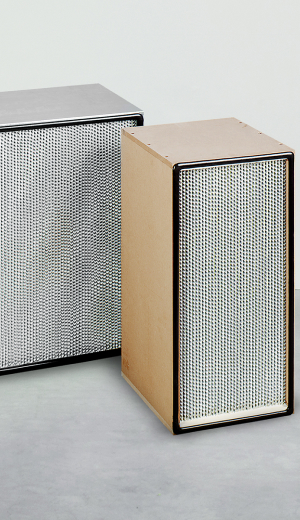
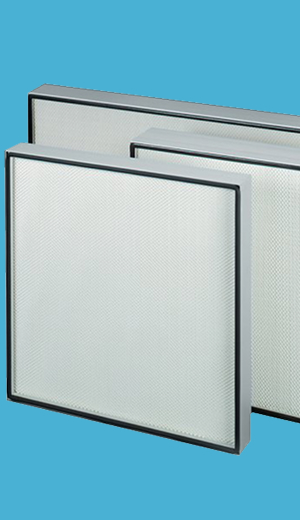
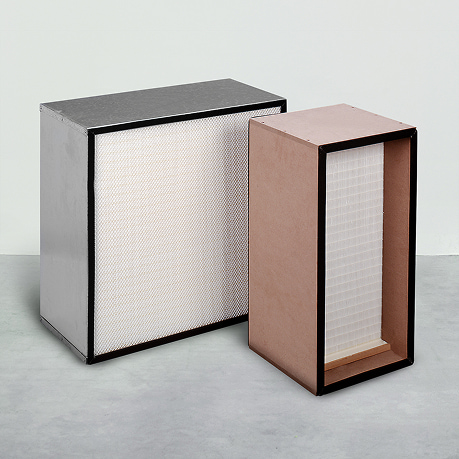
Advantages of HEPA and ULPA High-Efficiency Filters
- High filtration capacity: HEPA and ULPA filters capture nearly all nanoparticles present in the air.
- Improved air quality: significantly reduce, almost eliminating, allergens, fine dust, and airborne pathogens.
- Versatility: can be integrated into many ventilation and air-treatment systems, provided sufficiently powerful fans are used. Their high airflow resistance may reduce system air volume.
- Health benefits: by removing airborne allergens, HEPA-equipped air purifiers can help allergy sufferers. Their ability to retain viruses makes them useful during epidemics.
All Our Filters


High-Efficiency Filter Standards
High-efficiency filters must comply with strict international standards to ensure reliable performance and safety in controlled environments.
EN 1822 and EN ISO 29463 define efficiency classes and testing methods for high-efficiency filters. These standards require individual testing of HEPA and ULPA filters at the end of production to ensure the absence of localised defects in the media or frame sealing. For EPA filters, type testing is permitted..
Standards
EN ISO 16890
EN 779
EN 1822
EN ISO 29463
EN ISO 10121
Personalized Technical Consulting
Lombarda Filtri provides tailored consulting and technical support to identify the most suitable filtration solution for HVAC systems, ensuring efficient and safe air management.